1996 vs. 2026: How Our Immunity Evolves
Three decades of industrial food transformation, ultra-sanitized environments, and chronic micro-stressors have fundamentally altered human immune biology. Explore what our defensive cells face today and how modern phytomedicine fills the gap.

Clinical Immunologist & Molecular Biologist, Berlin

- Human immune challenges shifted from acute bacterial infections toward chronic low-grade sterile inflammation ("inflammaging").
- The modern gut microbiome contains 30% fewer diverse microbial strains than typical samples documented in 1996.
- Sedentary lifestyle and blue-light circadian disruption suppress natural killer (NK) cell nocturnal surveillance cycles.
- Active botanical immunomodulators like Thymoquinone and beta-glucans recalibrate immune tone rather than over-stimulating it.
The 30-Year Shift: From Acute Warfare to Chronic Smoldering
In 1996, nutritional immunology focused primarily on avoiding basic vitamin deficiencies (such as scurvy or severe rickets) and battling seasonal acute viral pathogens. Thirty years later, the modern immune challenge looks completely different.
Today, urban populations live in hyper-sanitized indoor microclimates while simultaneously consuming processed emulsifiers and microplastics. The innate immune system, deprived of the diverse soil microbes our ancestors encountered, frequently misidentifies benign internal stimuli, triggering relentless cytokine signaling (IL-6, TNF-alpha).
Lack of microbial diversity in childhood coupled with indoor air recirculation has driven adult autoimmune sensitivities to an all-time high of nearly 1 in 5 European citizens.
Circadian Desynchronization and Cellular Repair
A critical evolutionary disruption since 1996 is the near-total loss of dark nocturnal recovery windows. Cortisol, which naturally drops to baseline by 10 PM, remains artificially elevated due to evening display stimulation.
This persistent cortisol elevation causes glucocorticoid resistance in circulating monocytes. When a seasonal pathogen finally strikes, the immune system responds either sluggishly or with an uncontrolled cytokine storm, resulting in prolonged recovery periods.
The Role of Modern Immunomodulators
Unlike outdated "immune boosters" that stimulate white blood cells indiscriminately, 2026 immunology favors immunomodulators. Bioactive constituents like Thymoquinone (from Nigella sativa) and concentrated fungal beta-glucans act as cellular rheostats, downregulating excessive inflammatory pathways while invigorating defensive phagocytosis.
Immunological Landscape: 1996 vs. 2026
| Biomarker / Lifestyle Factor | Year 1996 | Year 2026 |
|---|---|---|
| Primary Immune Burden | Seasonal acute pathogens | Sterile systemic low-grade inflammation |
| Microbiome Bacterial Diversity | High (traditional home cooked whole foods) | 30-40% reduced diversity due to ultra-processing |
| Average Daily Screen / Blue Light | 1.5 - 2.5 hours (CRT television) | 9.5+ hours (LED, smartphones, multi-monitors) |
| Therapeutic Paradigm | Single-ingredient megadoses (Vit C) | Synergistic botanical immunomodulation (Thymoquinone + D3 + K2) |
1000 mg – 2000 mg cold-pressed botanical oils (minimum 2% Thymoquinone) paired with 2000 IU Vitamin D3 and 100 mcg K2.
Consume with morning or midday meal containing dietary lipids.
Combine with polyphenol-rich berries, fermented botanical teas, and regular outdoor sun exposure.
Individuals on high-dose immunosuppressant medications should consult their physician before starting botanical immunomodulators.
Frequently Asked Questions
Scientific inquiries answered by our Munich pharmacy and phytomedicine panel.
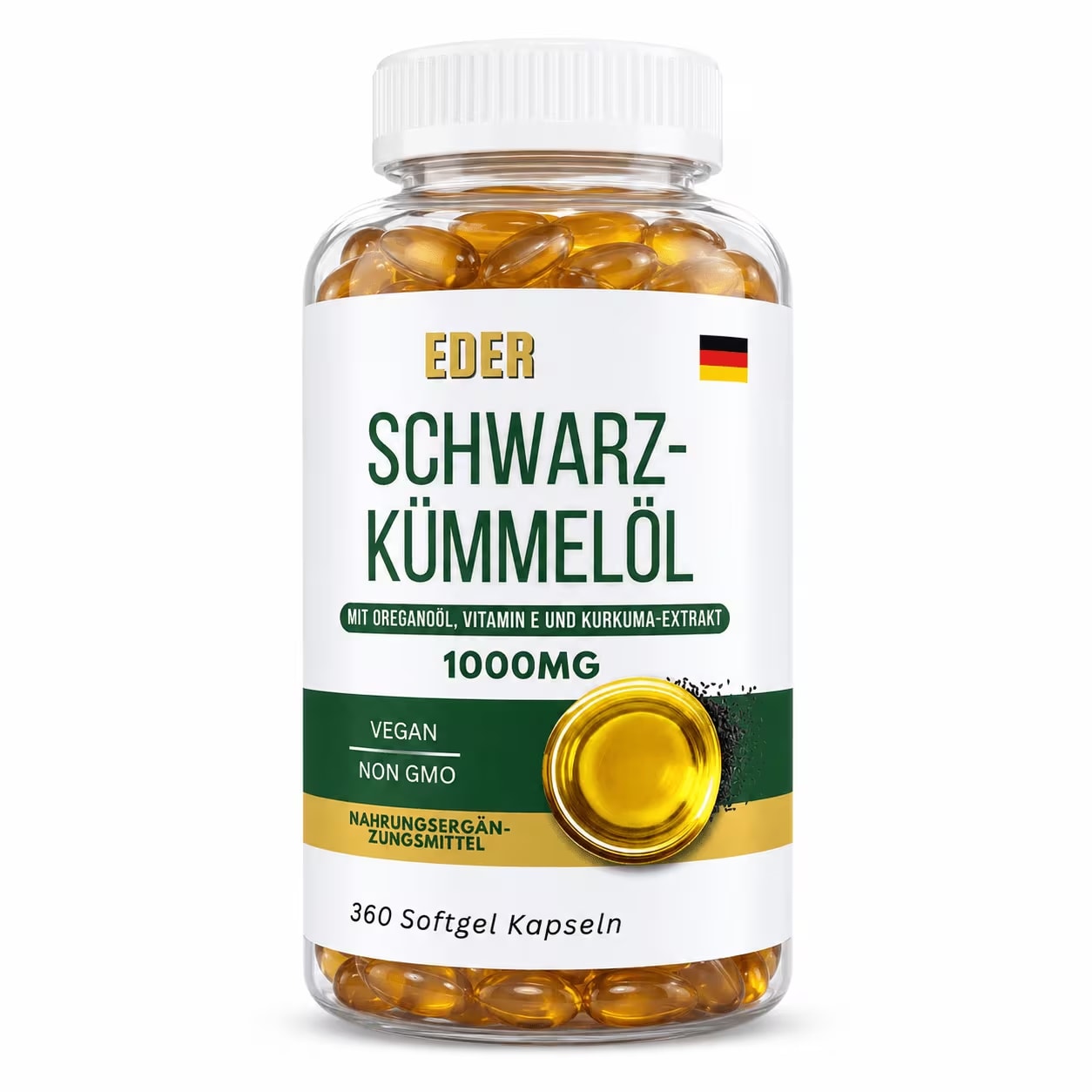
Schwarzkümmelöl 1000mg Kapseln – 360 vegane Weichkapseln, 180-Tage-Vorrat – Schwarzkümmelöl mit Oreganoöl, Kurkuma-Extrakt, Vitamin E & Piperin – Reines Bio-Extrakt
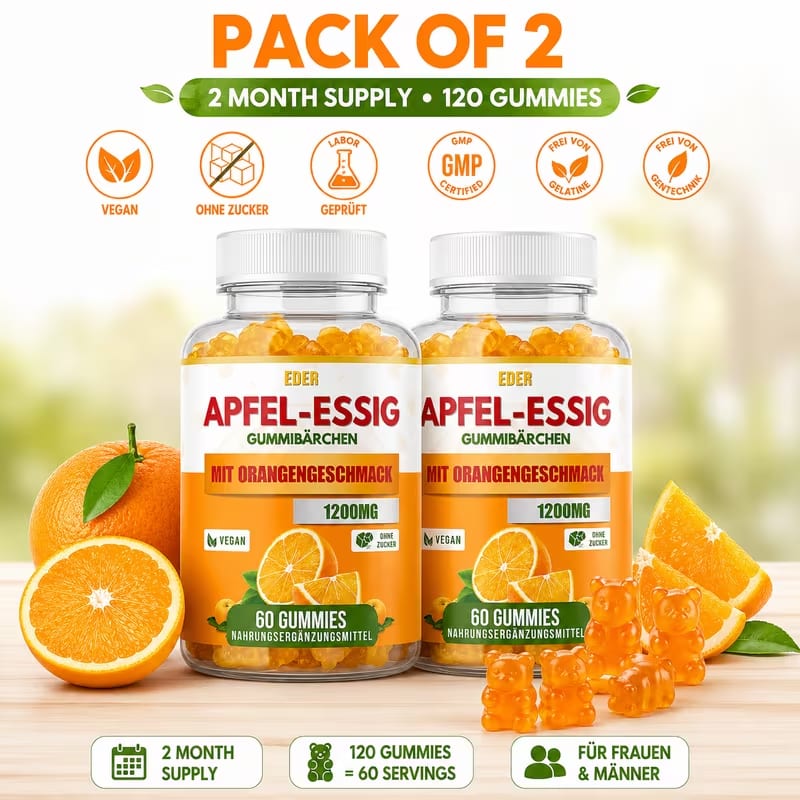
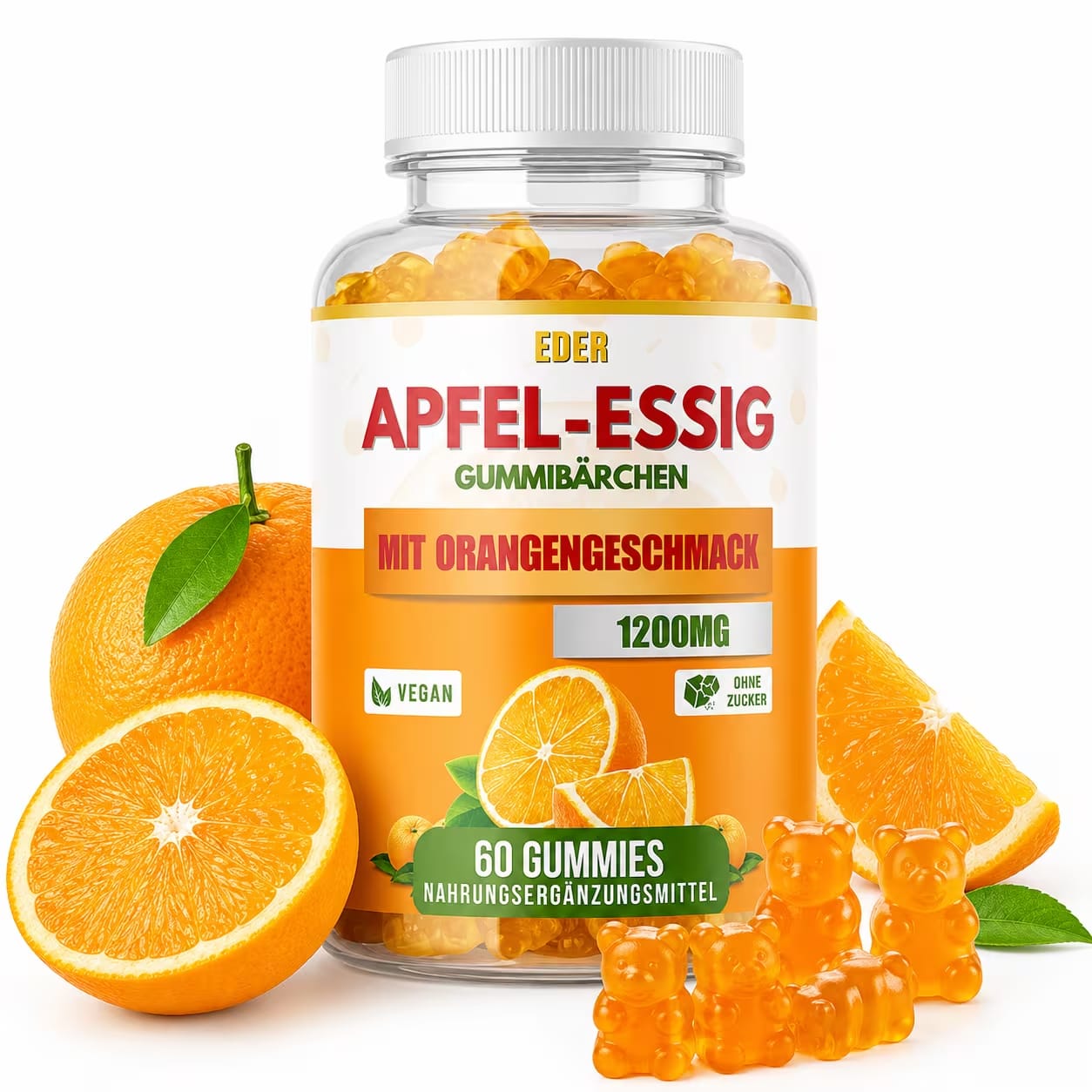
Apfelessig Gummibärchen 1200mg – 120 vegane Fruchtgummis | 60 Portionen | 2-Monats-Vorrat | Mit Vitamin C, B6, B12, Folsäure & Roter Bete | Natürlicher Apfelgeschmack | Für Damen & Herren